
Precision measuring tools may not grab headlines, but in any serious motorcycle workshop they remain absolutely essential. In this Tool of the Month feature, Ralph Ferrand — a long-time tool specialist and supplier — explains why the humble vernier caliper still earns its place on the bench, even in the digital age.
Ferrand’s experience with measuring tools stretches back to his apprenticeship days at British Aerospace in Filton, where he first learned to rely on traditional vernier calipers. Even now, he still owns the original caliper he bought at 16 — later checking its accuracy against professional standards-room equipment and finding it to be spot-on.
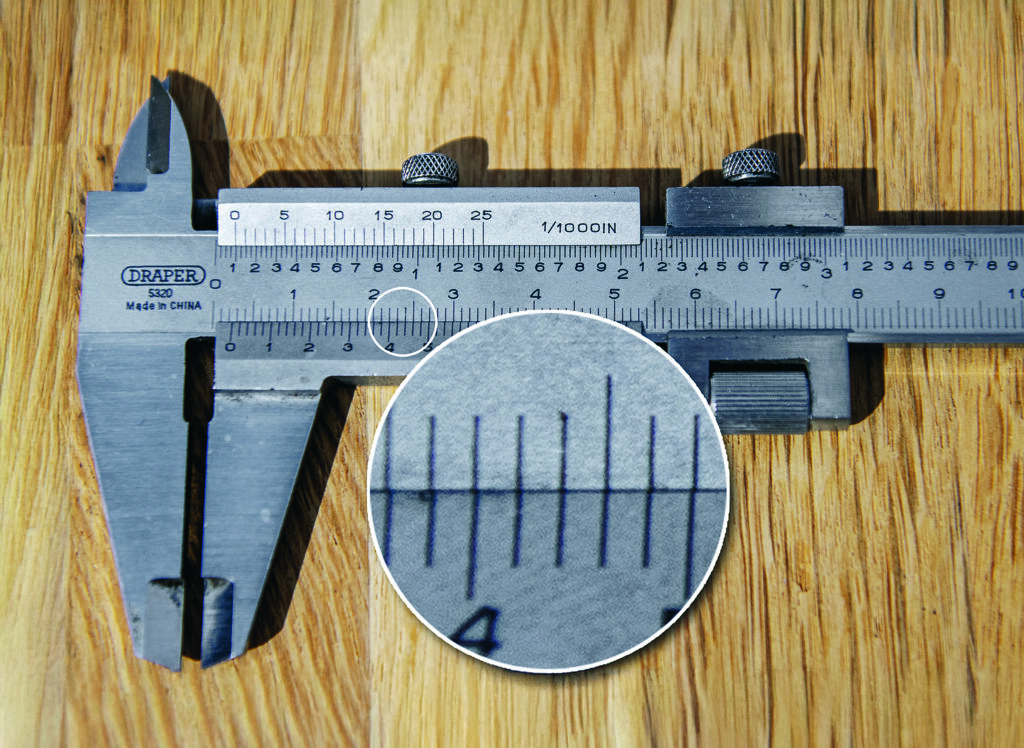
Understanding the vernier scale
A traditional vernier caliper uses two scales: the main scale and the vernier scale. The measurement is read by taking the last complete number on the main scale and adding the value shown where the vernier scale aligns exactly with it. In the example shown, this produces a reading of 2.44mm.
Enjoy more classic motorcycle reading, Click here to subscribe to one of our leading magazines.
Larger vernier scales are generally easier to read, which is why tools such as vernier height gauges often feel more intuitive in use.
Digital calipers: convenience vs quality
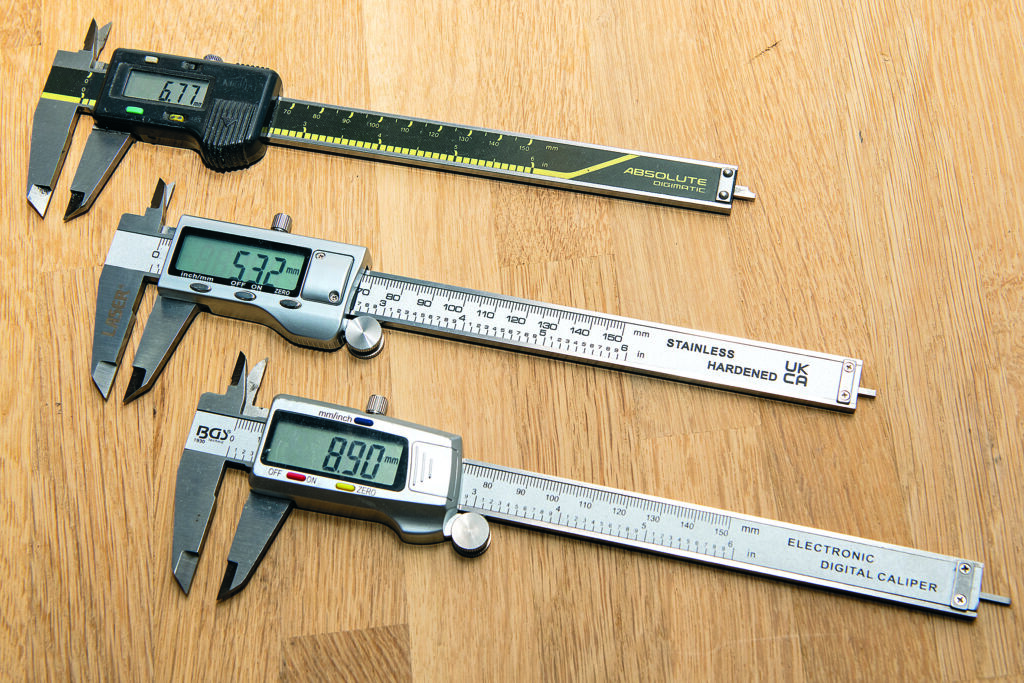
As electronics advanced, digital calipers became widespread — and while many are now extremely affordable, Ferrand warns that quality varies enormously. Some budget examples are poorly made and inaccurate, while premium tools, such as Japanese-made instruments from Mitutoyo, remain the gold standard.
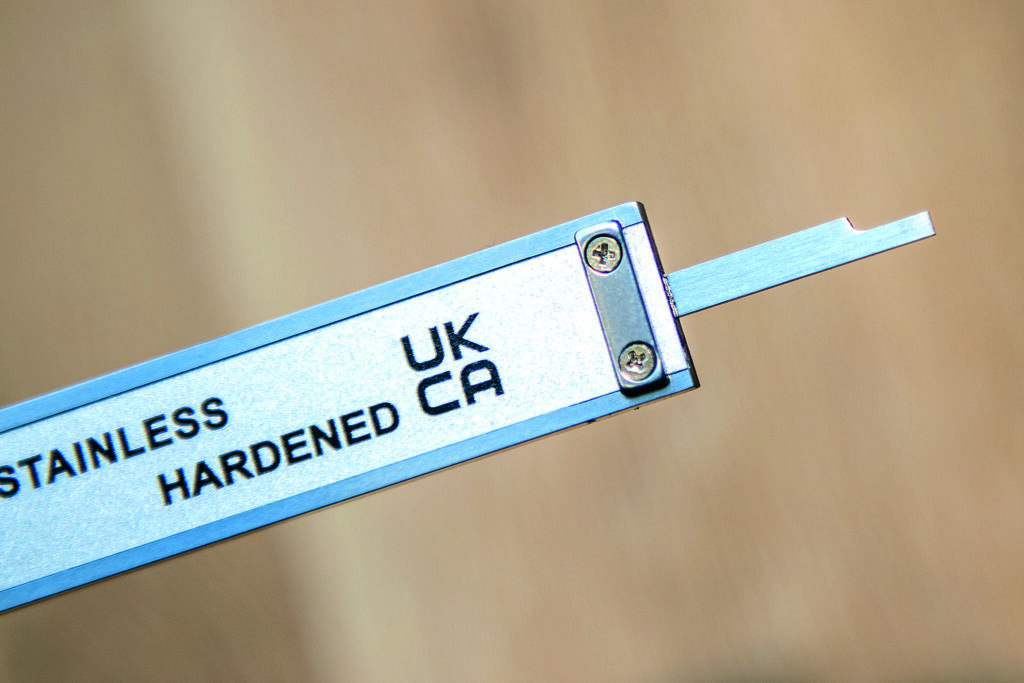
Ferrand also highlights a professional-grade Laser Tools digital caliper, which he has used extensively. While not as costly as top-end Japanese tools, it offers impressive build quality and accuracy at a more accessible price point. However, he notes that battery access requires removing two small screws — a minor inconvenience.
The key lesson? Online images can make all calipers look similar, but in use the differences are immediately obvious. As Ferrand puts it, in tooling — as in motorcycling — you usually get what you pay for.
Practical workshop uses
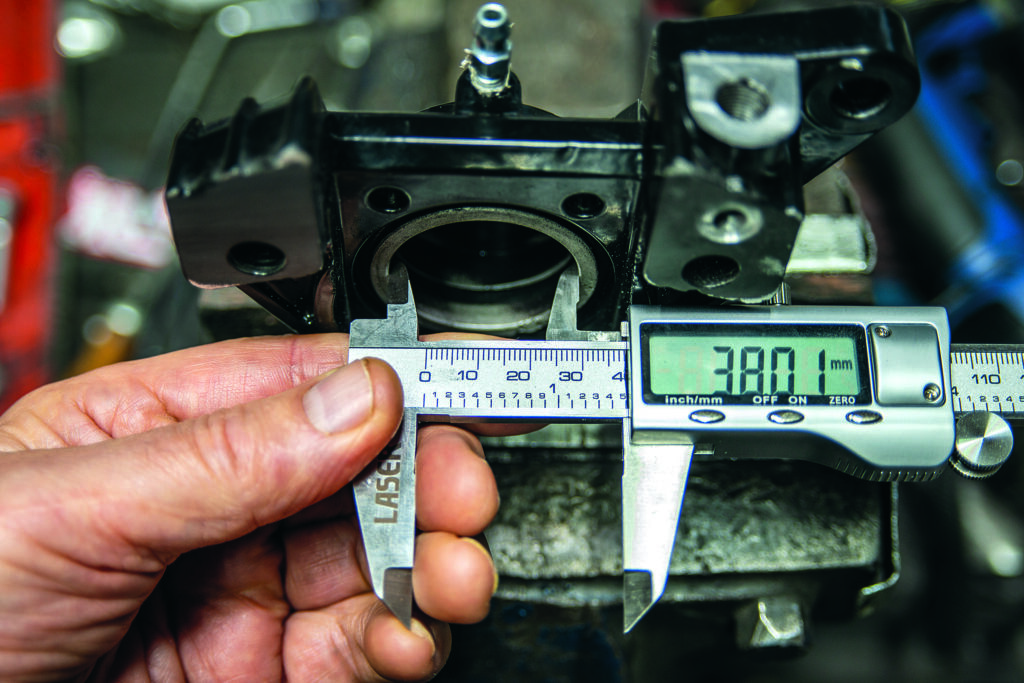
Whether vernier or digital, calipers are among the most versatile tools in the workshop. They can measure inside and outside diameters, depths, and even help identify the correct spanner or socket size quickly. They’re particularly useful for checking valve shims, which are often difficult to read once used.
Most calipers measure up to 150mm (six inches) — more than enough for the majority of classic motorcycle maintenance tasks. While they’ll never replace a micrometer for ultimate accuracy, their speed and flexibility make them indispensable.
Available from Biker’s Toolbox
The tools featured in this article are available from http://www.bikerstoolbox.co.uk, where Ralph Ferrand supplies equipment he uses and trusts himself.
Thanks to Ralph for sharing his knowledge and experience for this feature.
The original article was in Classic Motorcycle Mechaincs Magazine. To subscribe please visit https://www.classicmagazines.co.uk/classic-motorcycle-mechanics