Lithium motorcycle batteries have become increasingly fashionable in recent years, driven by their widespread use in consumer electronics, electric vehicles and modern machinery. Smaller, lighter and capable of delivering high cranking power, they are often marketed as an obvious upgrade over traditional lead-acid batteries. But are they really suitable for classic motorcycles?
In this archive feature from Classic Motorcycle Mechanics, electrical specialist Ferret examines lithium battery use through the lens of the Rickuki project, questioning whether the perceived benefits actually solve a real problem.
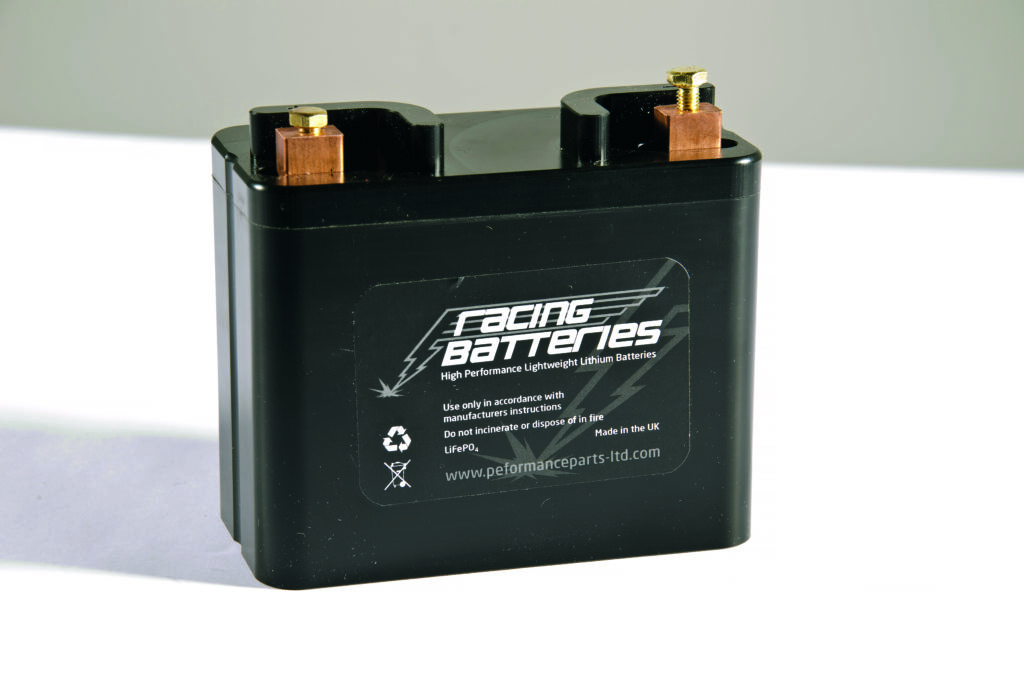
One of the first points raised is whether classic motorcycles genuinely need increased cranking power. In the case of the Rickuki, which does not use an electric starter, the answer is a clear no. Even for machines fitted with electric starters, Ferret notes that original manufacturer-specified lead-acid batteries were more than adequate when the bikes were new — and remain so today.
Enjoy more classic motorcycle reading, Click here to subscribe to one of our leading magazines.
Weight saving is another commonly cited benefit. However, when examined closely, the difference is often marginal. The Suzuki GT500 engine used in the Rickuki originally relied on a seven-amp-hour battery weighing approximately 2.5kg including acid. Even switching to a lithium alternative only offers a small reduction, raising questions about whether such savings make any meaningful difference in real-world riding.
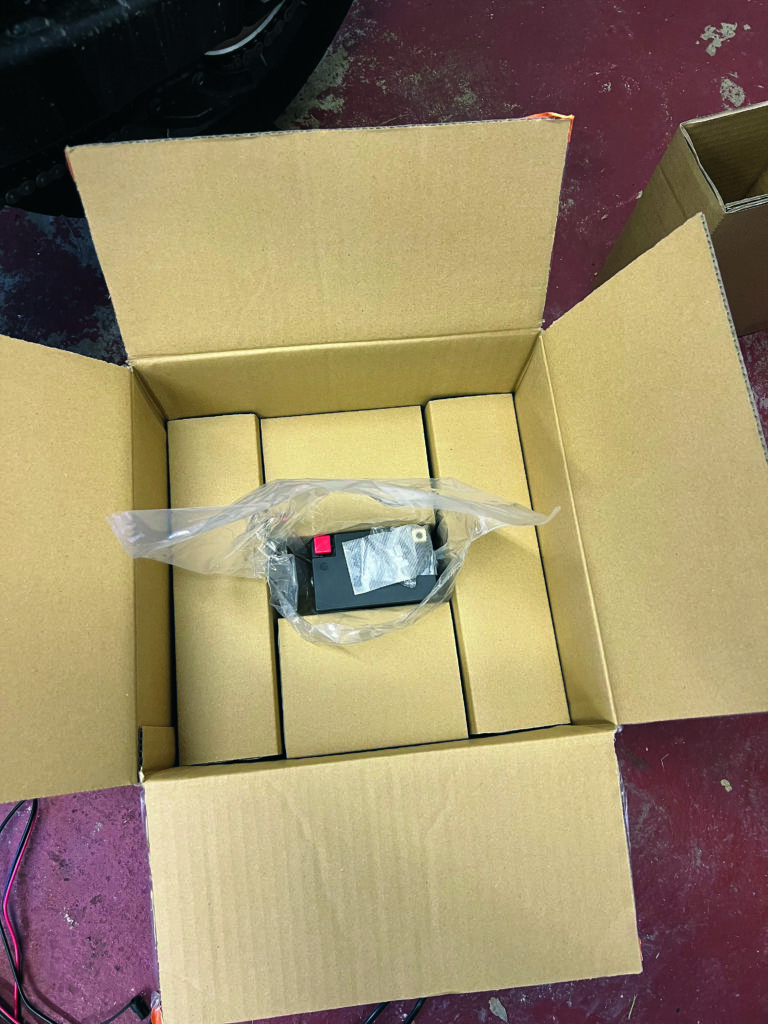
More critically, the article highlights charging compatibility as a major concern. Lithium batteries require carefully controlled, constant charging — something easily achieved with specialised mains chargers, but far harder to regulate using a motorcycle alternator. Traditional rectifier-regulators designed for lead-acid batteries are not suitable for lithium types, and genuinely compatible systems are rare and expensive.
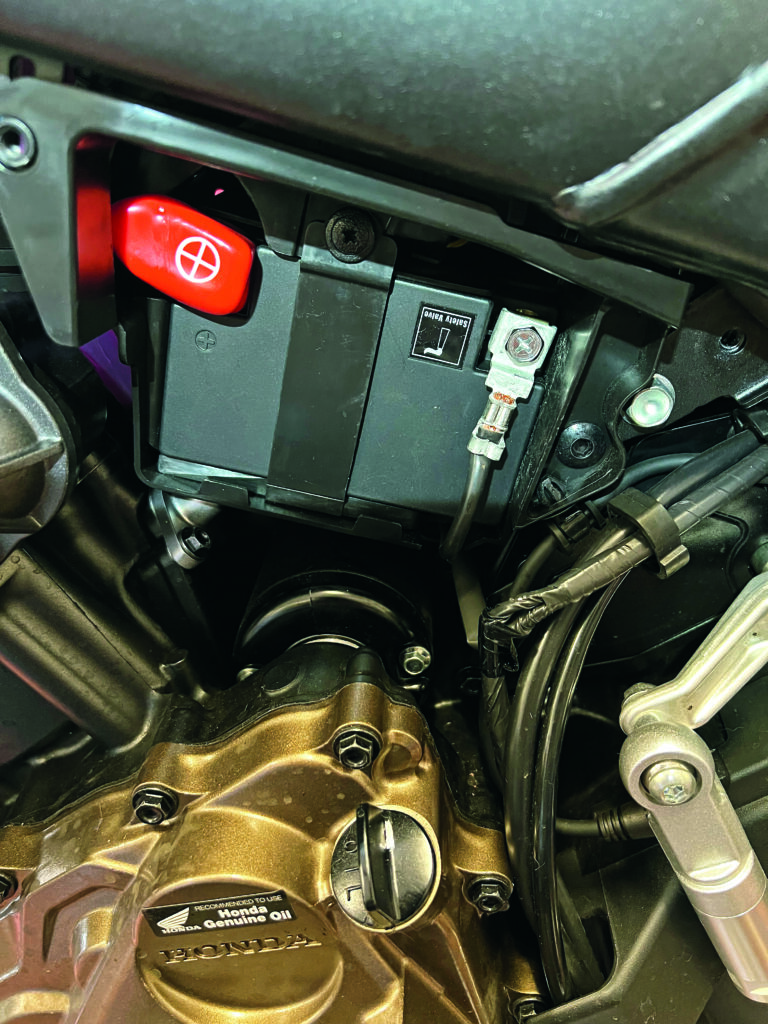
Ferret also challenges claims that MOSFET regulators solve the issue, citing respected UK electrical specialists who refuse to work with lithium batteries due to safety and reliability concerns. Incorrect charging can lead not only to battery failure but also to a serious fire risk, with lithium battery fires producing intense heat and large volumes of toxic smoke.
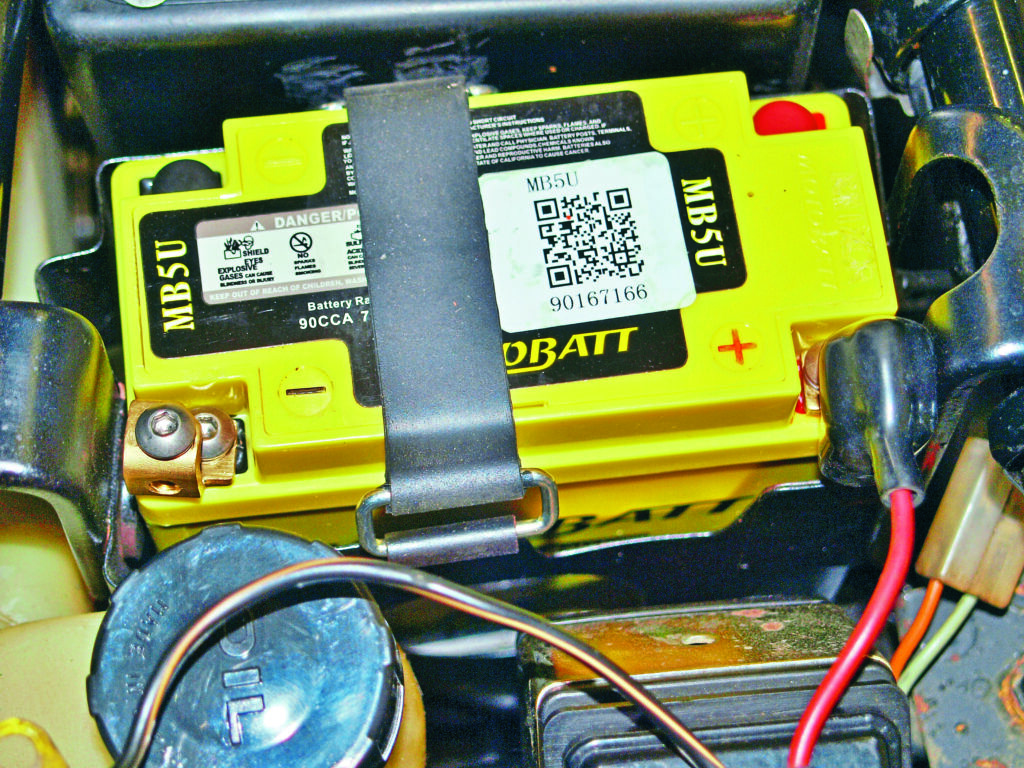
The article concludes that fitting a lithium battery to a classic motorcycle often increases cost, complexity and risk without offering meaningful benefits. For most classic owners, a high-quality lead-acid battery remains the safest, most reliable and cost-effective choice — leaving more money for fuel, maintenance and actually riding the bike.