We have received payment for the content in this article. Learn more.
Classic motorcycles captivate enthusiasts with their timeless appeal and historical significance.
These machines are far more than just modes of transport; they represent pivotal moments in racing history, and as you explore their storied past, you’ll discover how these bikes not only revolutionised technology but also reshaped cultural landscapes. By examining their impact, you gain insight into why they remain cherished icons today, even as live betting odds today continue to attract attention in various sports arenas.
Innovative features of pioneering models
The appeal of classic motorcycles is deeply intertwined with their innovative features. Many of these bikes introduced elements that were considered groundbreaking at the time. For instance, the Norton Manx, with its featherbed frame, revolutionised handling and stability, becoming a benchmark for future designs. Similarly, the Vincent Black Shadow pushed speed limits with its powerful engine, setting new records and expectations for performance.
These innovations weren’t just about aesthetics or engineering marvels; they fundamentally changed how races were conducted.
Riders could push boundaries with greater confidence, knowing their machines could handle increased speeds and sharp corners. This shift in technology led to new racing techniques and strategies, where precision and control became paramount. As you explore these models, you’ll appreciate how they laid the groundwork for modern motorcycling.
Another remarkable innovation came from the development of multi-cylinder engines that transformed power delivery and reliability.
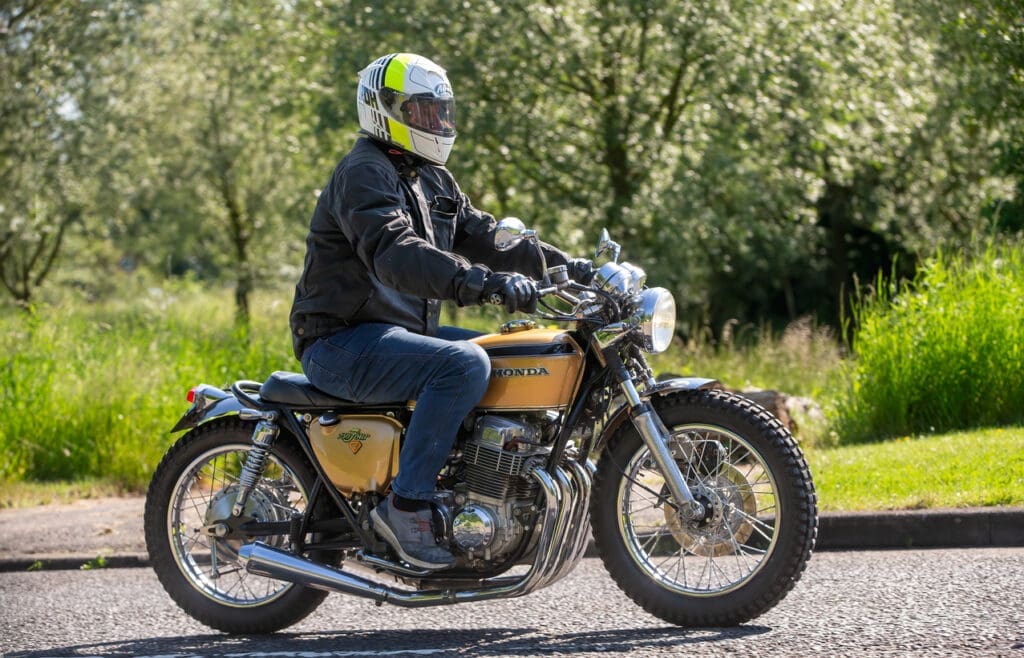
The Honda CB750, often credited as the first superbike, introduced a transverse inline-four engine configuration that became the industry standard. This design provided smoother power delivery and higher revving capabilities compared with traditional twin-cylinder setups. Additionally, advancements in suspension technology, such as the introduction of hydraulic damping systems and adjustable components, allowed riders to fine-tune their machines for specific track conditions. These technical breakthroughs didn’t happen in isolation; they were the result of intense competition and the relentless pursuit of performance gains that characterised the golden age of motorcycle racing.
Influence on modern racing events
The legacy of classic motorcycles continues to resonate within today’s racing events. Modern machinery owes much of its design philosophy to these early innovators. The emphasis on aerodynamics, weight distribution and engine efficiency can all be traced back to advancements made by classic machines like the BSA Gold Star or Triumph Bonneville. These bikes set standards that manufacturers strive to emulate even now.
It’s fascinating to see how these historic motorcycles still shape the dynamics of contemporary races. Techniques honed through years of classic racing have been passed down, influencing training regimens and race strategies. For many riders today, understanding the principles behind these legendary machines offers a competitive edge. The persistence of this influence highlights the enduring relevance of classic motorcycles in shaping future generations of racers.
Cultural importance and enthusiast communities
Beyond their technical contributions, classic motorcycles hold significant cultural value.
Enthusiast communities around the world celebrate these machines through clubs and events dedicated to preserving their heritage. These gatherings offer a space for sharing knowledge, showcasing restored bikes and fostering camaraderie among like-minded individuals who cherish motorcycle history.
Classic motorcycle clubs play a crucial role in keeping this heritage alive. By organising rallies and exhibitions they ensure that these legendary machines remain in the public eye, sparking interest across generations. These events are not just about nostalgia; they provide insights into the societal impact of these bikes during their heyday. As you engage with these communities, you’ll find that classic motorcycles continue to inspire passion and admiration.
Lasting legacy
Classic motorcycles have carved a permanent niche in the world of racing. Their influence extends beyond technological advances to encompass cultural significance and community engagement. As you reflect on their contributions, it’s clear that these machines have shaped not just the sport but also its ethos.
Looking ahead, the future of classic motorcycle racing remains vibrant as enthusiasts work tirelessly to preserve this rich legacy. Whether through restoration projects or participating in historic races, their dedication ensures that these iconic bikes will continue to be celebrated for years to come.